Samuel Adams (1722-1803)
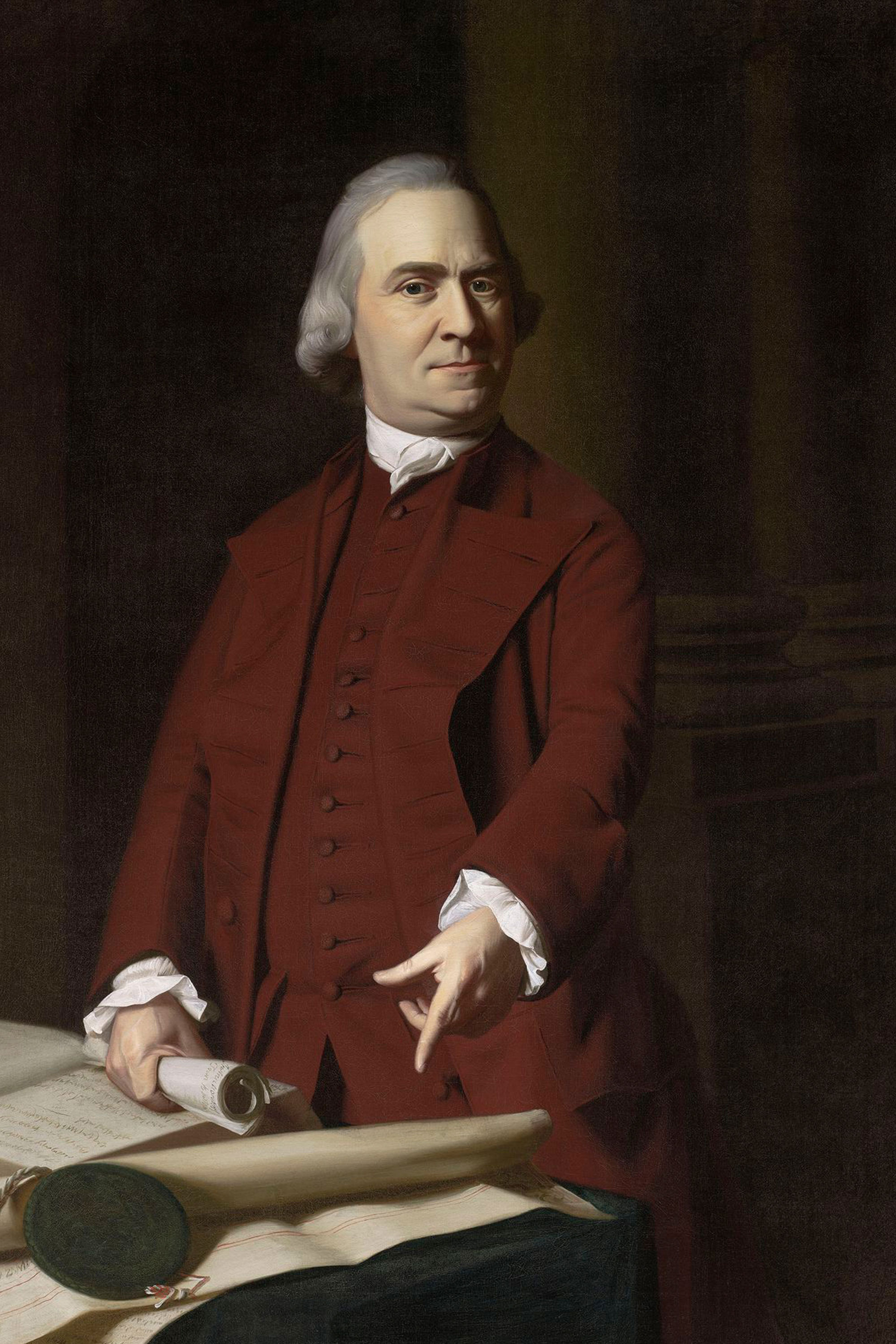
Samuel Adams, born on September 27, 1722, in Boston, Massachusetts, was a passionate and influential voice against British rule before and during the American Revolution. A second cousin of President John Adams, he played a major role in advancing the cause of independence.
The son of Puritan parents, Adams was raised with strong religious values. Initially expected to become a minister, he graduated from Harvard College in 1740 and later turned to politics. He was elected to the Massachusetts House of Representatives and later served in the Continental Congress. By the 1770s, he had become one of the leading advocates for American independence.
Adams was a founding member of the Sons of Liberty, the group that famously organized the Boston Tea Party, destroying British tea in protest of new taxes.
Adams participated in the First and Second Continental Congress, signing the Declaration of Independence in 1776. Due to his strong opposition to British rule, he was viewed as a major threat to the Crown—so much so that British authorities offered pardons to all who laid down their arms after the Battle of Lexington and Concord except Adams and John Hancock.
After the war, Adams helped draft the Massachusetts state constitution and served as governor of Massachusetts. He died on October 2, 1803, at the age of 81. His hometown newspaper remembered him as the “Father of the American Revolution.”